
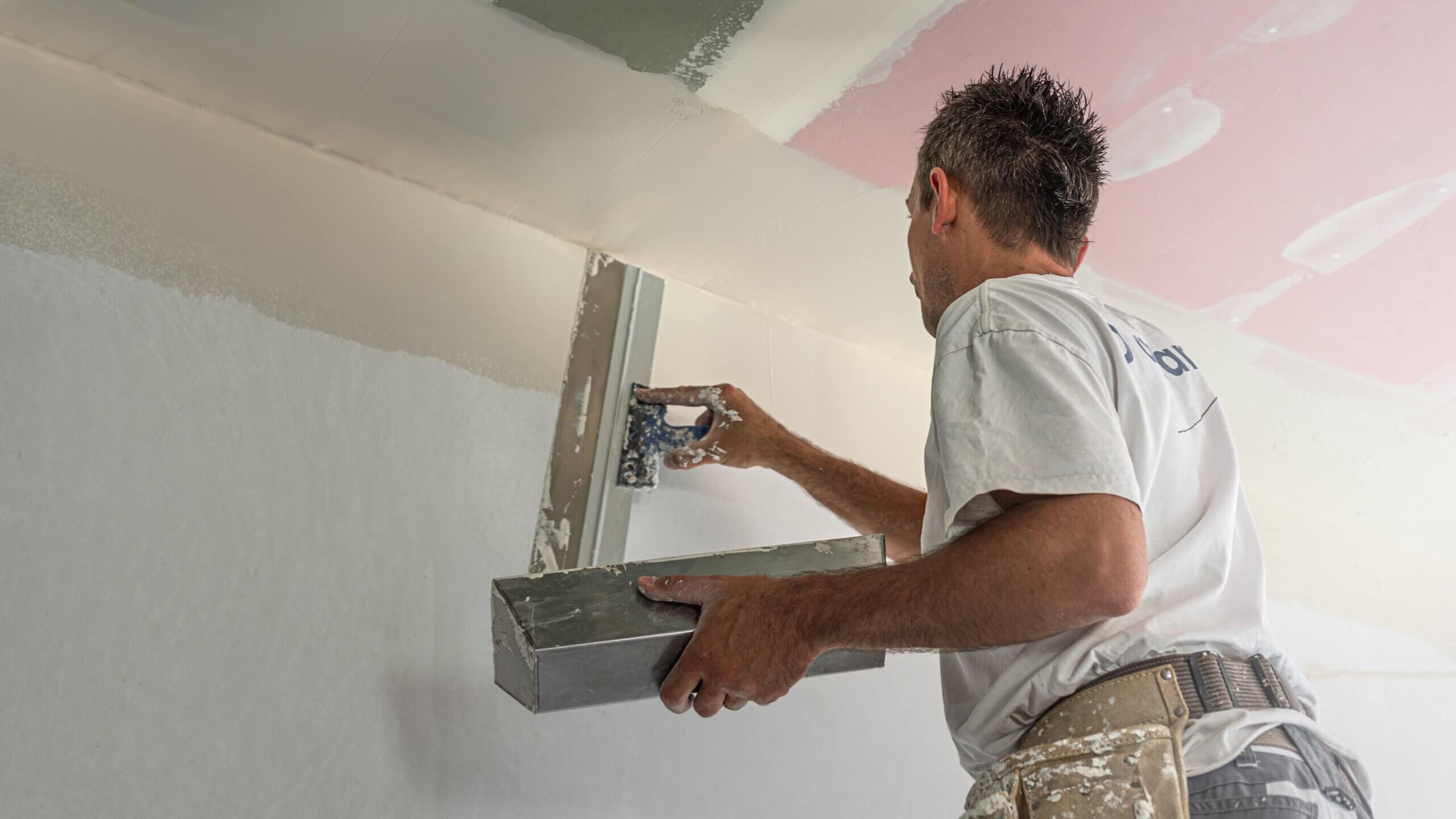
Mesothelioma in drywall tapers is a devastating consequence of the overlooked dangers of asbestos use during the 1940s to 1970s.
Up until 1977, when the CPSC banned asbestos use in drywall materials, it was found in joint compounds, spackling, plaster, and tape. Anyone who sanded, mixed, or cut these materials was exposed to vast amounts of airborne asbestos dust.
Sadly, with a 10 to 50-year symptom latency, mesothelioma in many drywall workers is only now being diagnosed. Every victim of drywall asbestos exposure deserves compensation and can pursue it with the right legal help.
In this guide, we’ll explain the legal options you and your family have and the context around how plasterers develop mesothelioma.
Why Drywall Tapers and Plasterers Face High Mesothelioma Risk
Extreme Close Asbestos Exposure
With an estimated 75,000 drywall tapers in 1979, there have been thousands of cases of mesothelioma lung cancer due to asbestos exposure from sheetrock or drywall.
Unlike many industries where asbestos exposure was a concern, this is likely due to the extremely direct contact drywall tapers had with the materials.
Every day on the job, they worked with asbestos-containing products while mixing, applying, sanding, reapplying, and sanding again. With each action, extremely fine asbestos dust was released into the air.
Nationwide Presence of Asbestos in Drywalls
After WWII, nearly all new U.S. homes were built with drywall instead of plaster. That meant the scale of exposure was enormous. In fact, air samples from the era show that fiber concentrations far exceeded government safety limits.
When you consider that workers often had no respiratory protection and received no warnings from manufacturers, it presents a devastating image.
Asbestos-Containing Products Used by Drywall Workers
By 1977, the CPSC banned asbestos in drywall-related products. But anyone working with these products before that, or in homes containing them after, was likely at risk of drywall asbestos exposure.
Joint Compound
Joint Compound, or ‘mud’, was the primary asbestos exposure source. It contained a very high concentration of asbestos.
Its main danger, though, came from the way it was mixed. As a dry powder, it created dust clouds that would get directly inhaled. After being applied to the joints between drywall panels, it was then sanded smooth, giving drywall workers another round of exposure.
Asbestos was found at notably high concentrations in the Georgia-Pacific and Kaiser Gypsum joint compounds.
Drywall Tape and Spackling
Drywall tape was also a source of asbestos exposure, with the tape embedded in joint compound at the seams. Spackling compounds were also used for patching and repair.
Plaster, Textures, and Acoustic Spray
Older 20th-century plaster formulations could also contain asbestos, especially acoustic, decorative, or fireproofing plasters.
Textured ceiling or wall coatings also frequently contained asbestos, while acoustic spray has been documented for use in both commercial and residential construction.
Building Materials Encountered on Jobsites
Drywall workers would also have disturbed asbestos in nearby materials while doing their job.
For example, insulation, ceiling tiles, floor tiles, and pipe wrapping during this era often contained asbestos due to its insulation qualities.
Renovation and Demolition: An Ongoing Risk
Since the CPSC didn’t ban the use of asbestos drywall until 1977, it’s possible that any pre-1980 building may still pose a risk.
A 2012 study confirmed that demolishing or repairing wallboard may disturb asbestos joint compounds. For that reason, any DIY cutting, drilling, or demolishing of old drywall could release trapped fibers, which, if inhaled, would be as dangerous as they were upon installation.
This also raises the possibility of cases post-1980 in which drywallers, plasterers, or construction workers were unknowingly exposed to asbestos.
Health Risks and Symptoms of Drywall Asbestos Exposure
Mesothelioma
Mesothelioma is a rare and aggressive cancer that starts around the lining of the lungs, but can also affect the abdomen, heart, or testicles. It is often fatal and has no cure. Treatment can be taken to slow and reduce its impact.
Mesothelioma in drywall tapers is directly caused by inhalation of asbestos fibers, making it a devastating consequence of pre-1980s drywall and plastering work.
Its symptoms include chest pain, dry cough, wheezing, shortness of breath, and fatigue.
Lung Cancer and Asbestosis
Lung cancer has also long been linked to prolonged asbestos inhalation. Asbestos exposure increases the risk, but it’s heightened further for those who also smoke.
Asbestos-related lung scarring is progressive and caused by asbestos fibers over time. It’s not a cancer, but it can cause significantly reduced lung function.
Latency in Symptoms
Mesothelioma and lung cancer symptoms have a latency, which means symptoms can arrive as late as 20 to 50 years after the initial exposure.
That’s why many cases of mesothelioma among drywall tapers are only now being diagnosed.
Given the latency, former drywallers must inform their physicians about their past work, especially if it was before the 1980s.
Secondary Exposure Risk to Families
Sadly, mesothelioma and lung cancer due to asbestos exposure from sheetrock or drywall can also be seen in family members.
This occurred when drywall dust containing asbestos fibers was carried home on clothing, shoes, hair, tools, a bag, or skin. Family members may then have unknowingly inhaled the fibers regularly, meaning they were affected decades later.
Even though they weren’t in the profession, with the right legal support, mesothelioma claims for family members are possible if they’ve received a diagnosis.
Manufacturers of Asbestos-Containing Drywall Products
Many manufacturers knew of the risks of asbestos but continued using it anyway, without warning the workers who handled it. The following names have had significant cases filed against them:
| Manufacturer | Product |
| Georgia-Pacific (a Koch Industries subsidiary) | Joint compound |
| Kaiser Gypsum | Joint compound |
| Union Carbide Corporation | Joint compound |
| E.F. Brady Company | Joint compound |
| Elementis Chemicals | Joint compound |
| National Gypsum Company | Gypsum wallboard |
| U.S. Gypsum Company | Various building products. |
| Hamilton Materials | “Red dot” joint compound. |
Legal and Financial Compensation Options
Mesothelioma in drywall tapers warrants compensation.
There are two main legal actions you can take (pursuing one does not affect the other), as well as potential VA Benefits for veterans.
Please note that these claims have deadlines attached under the Statute of Limitations. It’s typically 1-3 years from the date of diagnosis, but this varies by state. For that reason, taking legal action as soon as possible is advised.
Asbestos Trust Funds
Asbestos Trust Funds were established in the 1980s to ensure that funds were available for mesothelioma victims when manufacturers went bankrupt. Today, over $30 billion remains available in these trust funds.
Plasterers with mesothelioma can file multiple trust fund claims (often around 10 to 30 claims) to maximize their compensation. This is a common possibility for drywall workers exposed to many manufacturers’ products.
Personal Injury Lawsuits
Personal injury lawsuits can also be made against product manufacturers. These claims can bring in significant compensation, with notable drywall-related verdicts including $107M (Union Carbide/E.F. Brady), $19M (Tishman), $13.5M (Kaiser Gypsum/Budd), and $6.2M (Georgia-Pacific)
Asbestos settlements, on average, total $1M to $2M, which can cover medical expenses, lost wages, and pain and suffering. But certain cases can result in compensation in the tens or hundreds of millions of dollars.
Wrongful Death Claims
For surviving members of drywall workers who passed away with mesothelioma, you can also gain compensation for funeral and burial expenses, as well as for the loss of support and companionship.
VA Benefits
Veterans who were exposed to drywall materials while serving in the military may also qualify for VA disability compensation. You can read our guide on asbestos and military veterans here.
How Shrader & Associates Helps Drywall Workers
Shrader & Associates specializes in helping asbestos exposure victims secure the crucial financial support their families deserve, including legal claims for mesothelioma among drywall tapers.
Our team’s resources and experience allow us to uncover work history across any number of construction sites and time spans.
Our team can then put together a watertight case either in an Asbestos Trust Fund Claim against multiple manufacturers, or in multi-defendant asbestos lawsuits.
We believe all victims deserve the chance to pursue legal action, which is why we work on a no-win, no-fee basis, with no upfront costs.
Schedule a Free Consultation with Shrader & Associates, L.L.P. Today
The attorney team at Shrader & Associates welcomes all diagnosed with mesothelioma or lung cancer due to asbestos exposure, sheetrock, or drywall to contact us today for a free consultation.
Our team will carefully listen to your history and guide you on your legal options on a no-win, no-fee basis.
FAQ Section
Are drywall tapers at high risk for mesothelioma?
Mesothelioma among drywall tapers is far more likely than in many occupations that work around asbestos materials, purely because their contact was up close and involved consistent sanding that produced asbestos dust.
What drywall products contained asbestos?
Asbestos present in joint compound, drywall tape, spackling plaster, textures, and acoustic spray causes mesothelioma and lung cancer from exposure to asbestos in sheetrock or drywall.
Can I get mesothelioma from renovating an old house?
Houses built before the 1980s in the U.S. may contain asbestos materials. It’s therefore crucial that you wear appropriate protective equipment and seek professional advice to avoid inhaling asbestos fibers, which could pose a mesothelioma risk.
How long after drywall work does mesothelioma appear?
Mesothelioma symptoms can appear 20 to 50 years after the initial asbestos exposure.
Can I file a lawsuit against a joint compound manufacturer?
Yes. You can file a lawsuit against joint compound manufacturers. If they have since gone bankrupt, you may be able to make an Asbestos Trust Fund claim.